

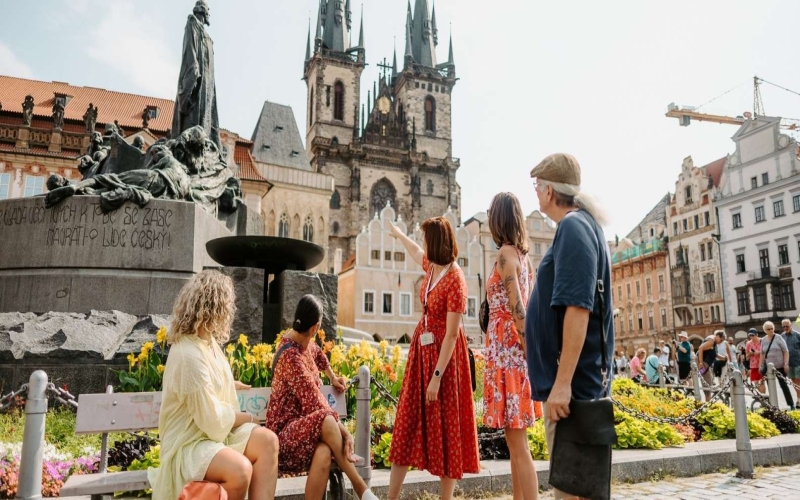
Nestled in the heart of the Czech Republic, the St. Vitus Church (Kostel sv. Víta) stands as a monumental testament to Gothic architecture and religious significance. This magnificent structure, located within the Prague Castle complex, is a beacon of historical and cultural richness, drawing visitors from around the globe. In this article, we delve deep into the history, architectural marvels, and the profound cultural impact of St. Vitus Church, ensuring you have a comprehensive understanding of this iconic landmark.
Historical Background of St. Vitus Church
Origins and Early Construction
The origins of St. Vitus Church can be traced back to the early 10th century when Prince Wenceslaus I of Bohemia founded a Romanesque rotunda dedicated to St. Vitus, a saint believed to possess healing powers. This rotunda was later transformed into a basilica under the orders of Prince Spytihněv II in the 11th century. The basilica served as the primary place of worship and the final resting place for Bohemian rulers.
Transition to Gothic Architecture
In the 14th century, under the reign of King Charles IV, the church underwent a significant transformation. The monarch envisioned a grand Gothic cathedral that would reflect the glory and power of the Bohemian Kingdom. The construction of the new cathedral began in 1344, with the French architect Matthias of Arras leading the initial design. After Matthias’s death, the project was continued by Peter Parler, whose innovative architectural techniques and artistic vision played a crucial role in shaping the cathedral’s distinctive Gothic appearance.
Architectural Splendor
Exquisite Exterior Design
The exterior of St. Vitus Church is a masterpiece of Gothic artistry, characterized by its towering spires, intricate stone carvings, and stunning stained glass windows. The Great South Tower, standing at an impressive 96.5 meters, dominates the Prague skyline and offers breathtaking views of the city. The tower is adorned with intricate sculptures, including the famous statue of St. Wenceslaus, symbolizing the church’s deep historical roots.
Magnificent Interior Features
Upon entering the cathedral, visitors are greeted by a vast nave adorned with soaring vaults and a plethora of beautiful chapels. The St. Wenceslaus Chapel is particularly noteworthy, featuring opulent decorations and housing the relics of the saint. The chapel’s walls are adorned with semi-precious stones and gilded stucco, creating a visually stunning display.
The Vladislav Hall, an architectural marvel in its own right, is another highlight within the cathedral. This grand hall, designed by Benedict Ried, showcases the pinnacle of late Gothic architecture with its ribbed vaulting and expansive interior space. It has served as the venue for numerous significant events, including coronations and state banquets.
Cultural and Religious Significance
Royal Coronations and Burials
Throughout its history, St. Vitus Church has played a central role in the religious and political life of Bohemia. It has been the site of numerous royal coronations, including the crowning of King Charles IV and Ferdinand I. The cathedral also serves as the final resting place for many Bohemian kings, queens, and saints, making it a sacred and revered site.
Artistic Treasures and Relics
The cathedral houses an impressive collection of artistic treasures and religious relics. Among these are the Crown Jewels of Bohemia, including the St. Wenceslaus Crown, a symbol of the Bohemian monarchy. The Golden Portal, with its intricate mosaics depicting the Last Judgment, is another remarkable feature that highlights the cathedral’s artistic heritage.
St. Vitus Church in Modern Times
Restoration and Preservation Efforts
Over the centuries, St. Vitus Church has undergone various restoration and preservation efforts to maintain its structural integrity and artistic beauty. The most significant restoration work took place in the late 19th and early 20th centuries, under the supervision of Josef Mocker and Kamil Hilbert. These efforts have ensured that the cathedral remains a testament to Gothic architecture and a symbol of Czech national pride.
Tourism and Cultural Impact
Today, St. Vitus Church is one of the most visited landmarks in Prague, attracting millions of tourists each year. Its historical and cultural significance, coupled with its architectural grandeur, makes it a must-visit destination for anyone exploring the Czech Republic. The cathedral also continues to serve as a place of worship, hosting regular masses and religious ceremonies.
Visitor Information
Opening Hours and Admission
St. Vitus Church is open to visitors throughout the year, with varying hours depending on the season. During the summer months, the cathedral is typically open from 9:00 AM to 5:00 PM, while in the winter, it closes at 4:00 PM. Admission fees apply, with discounts available for students and seniors. It is advisable to check the official website for the most up-to-date information on opening hours and admission prices.
Guided Tours and Special Events
Guided tours are available for those who wish to gain a deeper understanding of the cathedral’s history and architectural features. These tours are conducted by knowledgeable guides who provide valuable insights and anecdotes. Additionally, St. Vitus Church hosts various special events and concerts throughout the year, offering visitors a unique cultural experience.
Conclusion
St. Vitus Church (Kostel sv. Víta) is not only a stunning example of Gothic architecture but also a site of immense historical and cultural importance. From its early beginnings as a Romanesque rotunda to its transformation into a grand Gothic cathedral, the church has stood the test of time as a symbol of faith, power, and artistic achievement. Whether you are a history enthusiast, an architecture aficionado, or a casual tourist, a visit to St. Vitus Church is an unforgettable experience that offers a glimpse into the rich heritage of the Czech Republic.
